
A failed air conditioner at a Hill Country campground is more than an inconvenience when the temperature climbs. A refrigerator that quits on a ranch property, a slide-out stuck before checkout, or a water leak under the kitchen sink can quickly change your plans. When weighing mobile RV repair versus shop service, the best choice comes down to the problem itself, where your RV is parked, and whether it is safe to move.
For many repairs, bringing a qualified technician to the RV saves towing costs, avoids further damage, and gets your living space working again sooner. A repair shop still has a place, especially for major collision work and jobs requiring heavy equipment. Knowing the difference helps you make a calm, practical decision when something stops working.
Mobile RV Repair Versus Shop: The Main Difference
A mobile RV technician comes to your campsite, driveway, storage site, roadside location, or remote acreage with diagnostic tools, common replacement parts, and equipment for service work. The repair happens where the RV is already parked. That matters when the unit cannot be driven safely, when you are living in it full time, or when moving it would create a much larger headache.
A traditional RV shop requires you to bring the coach to its facility. Depending on the failure, that could mean driving it in, arranging a tow, finding a qualified transporter, or waiting until a temporary repair makes travel possible. Once it arrives, the RV joins the shop’s schedule and may remain there until diagnosis, parts ordering, and repairs are complete.
Neither option wins every time. The right question is not simply, “Which is cheaper?” It is, “What will restore safe, reliable use with the least disruption?”
When Mobile Service Is the Better Choice
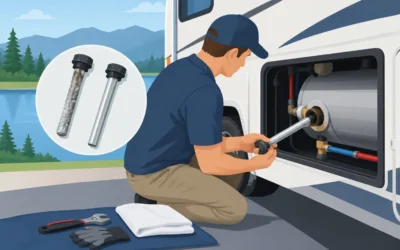
Mobile service is often the most sensible option for utility-system failures and repairs that can be completed with normal diagnostic equipment, hand tools, replacement parts, and a properly stocked service truck. That includes many air conditioning, furnace, refrigerator, water heater, plumbing, electrical, battery, converter, LP gas, generator, roof, holding-tank, and slide-out concerns.
Your RV is not safe or practical to move
If a tire issue, electrical fault, slide-out failure, roof damage, or engine-related concern makes travel questionable, forcing the RV onto the road can turn one repair into several. Even a seemingly unrelated problem can make transportation difficult. A leaking plumbing line may damage cabinetry during the drive. A dead converter can leave you without reliable battery power. A failed air conditioner may be manageable while driving but miserable once you reach a shop and wait in Texas heat.
Mobile repair removes the transportation question from the immediate problem. A technician can assess the condition of the RV where it sits and tell you whether a road trip to a shop is truly necessary.
You are using the RV as a home
Full-time RV residents and extended-stay campers cannot always drop off their home for days or weeks. You may need functioning power, refrigeration, water, heat, cooling, and sanitation while repairs are underway. On-site service is designed around restoring those essentials without requiring you to pack up, relocate, or leave your coach in a service lot.
This is especially valuable for visitors staying near Fredericksburg, Kerrville, Bandera, Comfort, Ingram, or Center Point. A campground reservation, family visit, river weekend, or travel itinerary should not automatically end because a water heater or air conditioner fails.
Fast diagnosis can prevent a larger repair
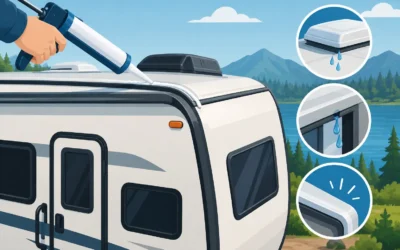
Some RV problems get worse when ignored. A small roof leak can spread into insulation, ceilings, and wall framing. A weak battery or failing converter can strain other electrical components. An LP gas concern should be addressed promptly rather than worked around. Getting a technician on site quickly allows for a proper diagnosis before a minor failure becomes a damaged system or safety concern.
A good mobile technician also explains what was found, what can be repaired now, and whether a replacement or follow-up service is the smarter long-term choice. Clear information is valuable when you are deciding whether to continue traveling or adjust your plans.
What a Shop May Handle Better
A repair shop can be the right destination when the work needs a lift, alignment rack, paint booth, body-repair equipment, extensive fabrication, or a large indoor work area. Major chassis repairs, structural collision damage, transmission work, engine service beyond a mobile provider’s scope, and complex body restoration commonly belong in a dedicated facility.
Shops may also have advantages when an RV needs a long multi-stage project with multiple specialty departments. If cabinetry must be removed, extensive water damage needs reconstruction, or an insurance claim requires significant body work, a fixed location can provide the space and equipment the job demands.
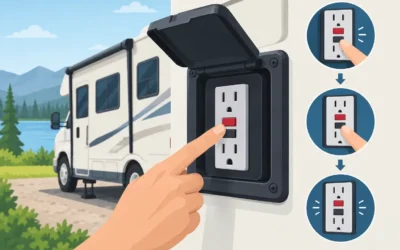
That said, do not assume every repair belongs at a shop simply because it feels complicated. RV systems are interconnected, but many complex-sounding issues begin with a straightforward cause: a tripped breaker, failed outlet, corroded battery connection, faulty thermostat, damaged valve, or worn component. On-site diagnostics can identify the actual issue before you spend time and money moving the RV.
Compare the Full Cost, Not Just the Service Rate
A shop labor rate may look lower than a mobile service call at first glance. But the full cost of shop service can include fuel, towing, transportation, campground changes, lost vacation time, and the inconvenience of being without your RV. If the RV is disabled, arranging a tow for a large trailer or motorhome may cost far more than an on-site diagnostic visit.
Mobile service typically includes a dispatch or trip charge because the technician brings the shop to you. That cost is often worthwhile when it replaces a tow, saves a day of travel, or gets your air conditioning, refrigerator, plumbing, or electrical system working the same day. It is also easier to understand when the provider communicates clearly about diagnostic time, labor, parts, and any limits on what can be completed on location.
The best value is not always the lowest number on the first invoice. It is the repair path that solves the problem correctly without creating unnecessary downtime or additional damage.
Questions to Ask Before You Decide
Before scheduling service or preparing to tow your RV, get a few details straight. Describe the symptom, when it started, whether the problem is intermittent, and what has changed recently. Note any warning lights, unusual smells, water leaks, noises, error codes, or conditions that trigger the failure.
Ask whether the issue can be safely diagnosed on site and whether the technician carries common parts for that system. If a part must be ordered, ask whether the RV can remain in use safely while you wait. For a shop visit, ask about appointment timing, estimated diagnostic turnaround, storage arrangements, and whether you need to remain with the RV.
For electrical, LP gas, overheating, burning smells, active leaks, or roof damage after a storm, lead with the safety details. Shut off affected systems when appropriate, avoid temporary fixes you are not confident making, and request professional guidance. A quick phone conversation can sometimes help you stabilize the situation before the technician arrives.
Choose the Repair Path That Protects Your Trip
Mobile service is built for the moments when your RV needs attention where it sits: an air conditioner quits during a hot afternoon, your furnace will not start on a cold Hill Country morning, or a plumbing problem appears just as guests arrive. Mobile RV Solutions can assess many of these problems on site and focus on getting your comfort, safety, and travel plans back on track.
A shop is still the right call for work that requires specialized facilities or major reconstruction. But when the issue involves the systems that make your RV livable, an on-site diagnosis is often the fastest way to get a clear answer. Before moving a compromised RV, consider what it will take to transport it, what could worsen along the way, and whether qualified help can come to you instead.
When your RV is your weekend getaway, your travel plan, or your home, the practical choice is the one that gets you safely comfortable again with the fewest extra miles.
0 Comments