
When the generator quits, an RV can go from comfortable to stressful fast. Air conditioning may stop in the middle of a Texas Hill Country afternoon, the refrigerator can lose dependable power, and batteries may not recharge as expected. RV generator repair is not just about getting an engine running again. It is about restoring the systems that make your RV safe, livable, and ready to travel.
A generator problem is especially frustrating when you are parked at a campground, staying on private acreage, or set up far from a repair shop. Before assuming the generator itself has failed, it helps to understand what the symptoms are telling you and which checks are safe to make on your own.
Start With the Symptom, Not the Guess
Generators are connected to the RV’s fuel supply, battery bank, electrical distribution, and often the converter or inverter. That means a no-start condition does not automatically mean a bad generator. A weak house battery, tripped breaker, empty fuel tank, poor ground connection, or faulty transfer switch can create similar symptoms.
Pay attention to what happens when you press the start button. Does the generator crank but never fire? Does it start and shut down after a few seconds? Does it run normally but fail to power the outlets or air conditioner? Each situation points to a different part of the system.
A generator that cranks but will not start often has a fuel, spark, or air issue. One that starts and dies may be dealing with stale fuel, a clogged carburetor, a low-oil shutdown, or an issue with fuel delivery. If it runs but produces no usable RV power, the concern may be a breaker, output connection, transfer switch, voltage regulator, or wiring problem.
The right diagnosis matters. Replacing parts before confirming the cause can turn a manageable repair into an expensive guessing game.
Safe Checks Before Calling for RV Generator Repair
There are a few practical checks most RV owners can make without taking apart electrical components or fuel-system parts. Turn off high-draw appliances first, including the air conditioner, microwave, electric water heater element, and space heaters. Then check the basics.
Confirm that the RV has enough fuel. Many motorhome generators are designed not to pull from the final portion of the main fuel tank, helping prevent the generator from leaving you stranded without fuel to drive. A tank that looks partly full may still be below the generator pickup level.
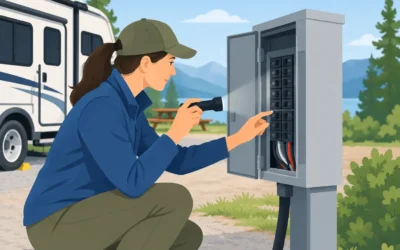
Next, check the oil level according to the generator manufacturer’s instructions. Low-oil protection can prevent starting or shut the unit down shortly after it fires. Look at the generator’s own circuit breakers as well. A breaker can trip after an overload, particularly when the air conditioner starts under heavy heat load.
Also verify the condition of the house batteries and their connections. The starter needs adequate voltage, and loose or corroded battery terminals can cause slow cranking, clicking, or intermittent operation. If your coach has a battery disconnect switch, make sure it is in the proper position.
If the generator starts but the RV has no power, reset the generator breaker once and check the RV’s main electrical panel. Do not repeatedly reset breakers or bypass safety devices. A breaker that trips again is giving you useful information: there may be an overload, damaged appliance, shorted wiring, or internal generator fault.
Warning Signs That Should Not Wait
Some generator issues are inconvenient. Others can create real safety concerns. Stop using the generator and arrange professional help if you smell fuel, see a fuel leak, notice smoke, hear harsh knocking or grinding, or find melted wiring or scorched outlets.
Carbon monoxide is another reason to act quickly. Never run a generator in an enclosed building, near open windows, or where exhaust can collect around the RV. If a carbon monoxide alarm sounds, get everyone into fresh air immediately and do not restart the generator until the cause is identified.
Repeated stalling under load deserves attention, too. It may be tempting to run only a few appliances and live with the problem, but unstable voltage can be hard on air conditioners, refrigerators, converters, and electronics. A generator should provide stable output within its rated capacity, not just run loudly in the background.
Common Causes of Generator Trouble in RVs
Fuel-related problems are among the most common, especially after an RV sits between trips. Gasoline can degrade, varnish can restrict a carburetor, and debris can block fuel flow. Diesel units have their own concerns, including contaminated fuel, air in the fuel system, and neglected filters. Propane-powered generators can be affected by low tank pressure, regulator trouble, or a restricted fuel supply.
Heat and dust also take their toll in Central Texas. A dirty air filter, blocked cooling path, or debris around the generator compartment can contribute to overheating. Extended operation in hot weather makes routine service even more valuable, particularly when the generator is carrying air-conditioning loads.
Electrical problems require a careful approach. Corroded connections, damaged wiring, weak batteries, failed control boards, worn brushes on certain models, and transfer-switch faults can all keep power from reaching the coach. These repairs are not a good place for trial and error. RV electrical systems combine 12-volt DC, 120-volt AC, charging components, and automatic switching equipment in a tight space.
Why Load Matters When Diagnosing a Generator
A generator may start and appear fine with no appliances running, then stumble when the air conditioner kicks on. That does not always mean the generator is undersized or failing. The air conditioner’s startup demand is high, and weak voltage, poor maintenance, a failing capacitor, or a compressor issue can make the load harder to handle.
On the other hand, a properly sized generator should not bog down severely under normal, planned use. The technician needs to see how the unit behaves at idle and under load, then verify output voltage and frequency. This testing helps separate an engine performance problem from an RV appliance or electrical-distribution problem.
It also explains why a repair visit should look beyond the generator itself. If the generator is operating correctly but the transfer switch is not passing power, replacing generator parts will not solve the issue. Clear diagnostics save time and help you make a confident repair decision.
Preventing the Next Breakdown
Regular exercise is one of the simplest ways to protect a generator. Running it periodically under a meaningful load helps circulate fuel, keep components active, and reveal developing issues before a trip. Follow the manufacturer’s maintenance schedule for oil changes, filters, spark plugs, and fuel-system service. The correct schedule depends on the generator model, fuel type, age, and hours of use.
Keep the compartment clean and inspect it before long trips. Look for loose mounting hardware, damaged insulation, rodent activity, oil seepage, frayed wiring, or nesting material near hot components. Make sure exhaust components are secure and directed away from the RV living area.
Fuel habits matter as well. If the RV will sit for an extended period, use the fuel-storage practices recommended for your generator and engine. In some cases, a stabilizer is appropriate; in others, seasonal service is the better choice. The goal is to avoid letting old fuel create a starting problem at the exact moment you need power.
When Mobile Service Makes the Most Sense
Towing or driving an RV to a shop is not always practical when the generator is down. You may be safely parked but without air conditioning, battery charging, refrigeration support, or dependable power for daily living. For full-time residents, families at a campground, and travelers on a tight schedule, waiting days for a shop opening can disrupt more than a weekend plan.
A qualified mobile technician can diagnose the generator where the RV is parked, test its output under real conditions, inspect related electrical components, and explain what is causing the failure. Sometimes the answer is a straightforward maintenance or connection issue. Other times, the generator needs a part, deeper fuel-system work, or a repair that should be scheduled rather than rushed.
Mobile RV Solutions provides on-site RV generator repair throughout Fredericksburg, Kerrville, Bandera, Comfort, Ingram, Center Point, and nearby Texas Hill Country communities. That means you can get help at a campsite, ranch property, driveway, or roadside location without adding the cost and complication of moving a disabled RV.
If your generator is unreliable, avoid pushing it through repeated start attempts or overloading it to see whether it will hold. A quick, accurate diagnosis can protect the generator, the appliances connected to it, and the comfort of everyone inside your RV. Getting dependable power back is often the fastest way to make the rest of the trip feel manageable again.

0 Comments