
A quiet campground can turn stressful fast when the air conditioner quits on a July afternoon, the refrigerator stops cooling, or a small plumbing drip becomes a wet floor. Regular RV maintenance service is what helps prevent those surprises – and gives you a clearer picture of what needs attention before a short Hill Country getaway or a long stretch of full-time living.
For RV owners in Fredericksburg, Kerrville, Bandera, Comfort, and surrounding communities, maintenance is not just about protecting a vehicle. It protects the comfort and safety of the place you sleep, cook, cool down, and rely on when you are miles from home.
Why RV Maintenance Service Is Different
An RV combines the systems of a vehicle with many of the systems found in a small home. It has plumbing, electrical wiring, batteries, appliances, propane equipment, holding tanks, slide-outs, a roof, and often a generator. Those systems share limited space and power sources, so one problem can sometimes affect several others.
For example, a weak battery or failing converter may look like a refrigerator problem because the refrigerator controls will not operate correctly. A blocked roof vent can contribute to moisture problems inside. A water heater issue may involve propane, electrical power, water flow, or a safety component. Good maintenance does not treat each symptom as a separate mystery. It starts with proper diagnostics and checks the system supporting the equipment.
This is also why RV maintenance should fit how you use your rig. A weekend camper stored between trips has different needs than a fifth wheel used as a residence on private acreage. A motorhome that travels often needs close attention to chassis-related wear, while a parked RV may need more frequent roof, seal, battery, and utility-system checks.
The Systems That Deserve Regular Attention
Some maintenance tasks are simple enough for an owner to monitor. Others are better handled by a qualified technician, particularly when electricity, LP gas, pressurized water, or roof work is involved.
Cooling, heating, and refrigeration
Texas Hill Country weather puts RV climate systems to work. In warm months, air conditioners may run for long periods, which makes clean filters, clear condensate drainage, secure wiring, and proper performance especially important. If an AC unit is noisy, short-cycling, leaking indoors, or failing to keep up with normal demand, it is better to investigate early than wait for a complete failure during a heat wave.
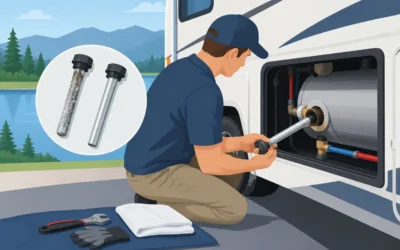
Your furnace and water heater deserve the same attention before cool weather arrives. Furnaces depend on safe propane delivery, clean airflow, electrical controls, and properly operating safety switches. Refrigerators also need regular checks, whether they run on shore power, propane, or both. A fridge that is cooling inconsistently can put food at risk and may point to a ventilation, power, burner, or control issue.
Electrical power, batteries, and converters
Many RV trouble calls begin with the words, “Nothing is working right.” Low battery voltage, a faulty converter, loose terminal, tripped breaker, damaged shore cord, or overloaded circuit can all cause that feeling.
Battery maintenance is particularly important for RVs that sit for weeks or months. Check batteries for corrosion, secure connections, proper water levels when applicable, and adequate charge. Batteries do not last forever, and repeatedly draining them deeply can shorten their useful life. A technician can test the battery bank and charging system together, which is more useful than judging a battery by whether a light still turns on.
Generator maintenance matters for owners who camp off-grid, stay on remote acreage, or want backup power during an outage. Follow the manufacturer’s service intervals for oil, filters, and exercise cycles. A generator that has been sitting unused may not be ready when you need it most.
Plumbing, tanks, and water systems
A small leak can damage flooring, cabinets, insulation, and wiring before it becomes obvious. Check under sinks, near the water pump, around the toilet, behind the water heater, and in exterior utility compartments. Pay attention to a pump that cycles when no faucet is open, since that can signal a leak or a pressure issue.
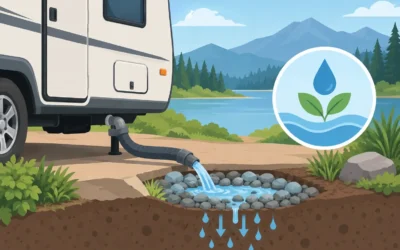
Holding tank care is less glamorous, but it makes a major difference in daily RV life. Use enough water when flushing, keep sensors as clean as practical, and avoid putting unsuitable materials into the system. Persistent odors, inaccurate tank readings, slow drainage, or recurring clogs are signs that the system may need more than a quick chemical treatment.
Roofs, seals, and slide-outs
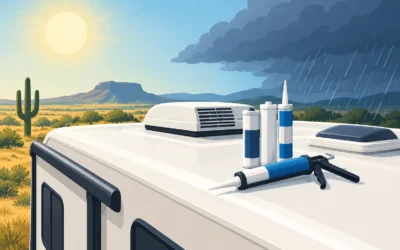
The roof is your first defense against water damage. RV sealants can crack, pull away, or dry out from sun exposure and temperature swings. Inspect roof seams, vent openings, skylights, antennas, AC mounting areas, and sidewall transitions several times a year. Do not wait until you see a stain inside. By that point, water may have already traveled farther than expected.
Slide-outs need clean seals, proper lubrication where the manufacturer recommends it, and smooth operation. A slide that moves unevenly, makes grinding sounds, stops partway, or leaves gaps when extended should be checked before repeated use causes more damage. Forcing a slide-out is rarely a good fix.
A Practical Service Schedule
The right schedule depends on age, storage conditions, mileage, and how heavily the RV is used. Still, a simple routine catches a large share of preventable problems.
Before each trip, walk around the RV and check tires, exterior lights, roofline, compartment latches, propane smell, battery connections, shore power cord, and visible plumbing leaks. Run the air conditioner, furnace, refrigerator, water pump, and slide-outs before leaving home or before settling into a campsite. Finding a problem in your driveway is far easier than finding it after dark at a campground.
Every few months, inspect roof seals and exterior caulking, test smoke and carbon monoxide alarms, clean AC filters, examine batteries, and operate appliances that have not been used recently. If the RV is stored, visit it regularly rather than leaving it untouched through a full season.
At least once a year, schedule a more thorough review of major systems. This is a good time to assess the roof, LP gas components, electrical charging equipment, generator, water heater, furnace, brakes and tires where applicable, and slide-out operation. Older RVs and full-time units may benefit from more frequent service because use and age both add wear.
When a Mobile Technician Makes Sense
Some maintenance can wait for a planned appointment. Some cannot. A failed AC during extreme heat, a propane concern, a leaking water line, a no-power condition, or a slide-out that will not retract can quickly change your plans.
Taking a disabled RV to a shop may mean arranging a tow, packing up a campsite, disconnecting utilities, and losing days of travel or living space. Mobile service brings diagnostics and repair capability to where the RV is parked, whether that is a campground, driveway, ranch, roadside location, or remote property.
Mobile RV Solutions provides on-site service across the Texas Hill Country, with practical troubleshooting and direct communication about what is wrong, what is urgent, and what can reasonably be planned for later. That distinction matters. Not every worn component needs immediate replacement, but safety issues, active leaks, failing electrical connections, and weather-related comfort problems should not be ignored.
Maintenance Helps You Make Better Repair Decisions
Regular checks do not mean you will never need a repair. Parts wear out, road vibration loosens connections, and Texas heat is hard on seals, electronics, and cooling equipment. What maintenance does provide is time. It gives you a chance to repair a weakening component before it strands you or causes collateral damage.
It also helps you recognize the difference between a simple owner task and a situation that calls for help. Replacing an air filter or keeping the roof clear of debris is one thing. Diagnosing a converter failure, repairing an LP gas leak, tracing electrical faults, or sealing roof damage correctly requires the right tools and experience.
The best time to think about RV maintenance is when everything is still working. A few well-timed inspections can keep your next Hill Country stay cooler, drier, safer, and a lot less interrupted.
0 Comments